
A Practical Look at Performance, Power, and Convenience
Choosing between an electric vs gas wood chipper comes down to more than just power—it’s about how you plan to use the machine, where you’ll use it, and how much maintenance you’re prepared to handle. Both types serve the same purpose of breaking down branches, limbs, and yard waste into manageable chips or mulch, but they operate in very different ways. Understanding the advantages of each can help you make a decision that matches your yard size, debris load, and personal preferences.
Electric wood chippers are ideal for residential use, especially in smaller yards with occasional cleanup needs. They’re lightweight, easy to move, and quiet enough to use without disturbing the neighborhood. Because they don’t require fuel, oil changes, or complicated startup processes, electric models are perfect for homeowners looking for simplicity and convenience. They’re also more environmentally friendly, producing no emissions and requiring less maintenance over time. However, electric chippers are limited by their power output and need for a nearby outlet, making them less suitable for heavy-duty tasks or remote areas.
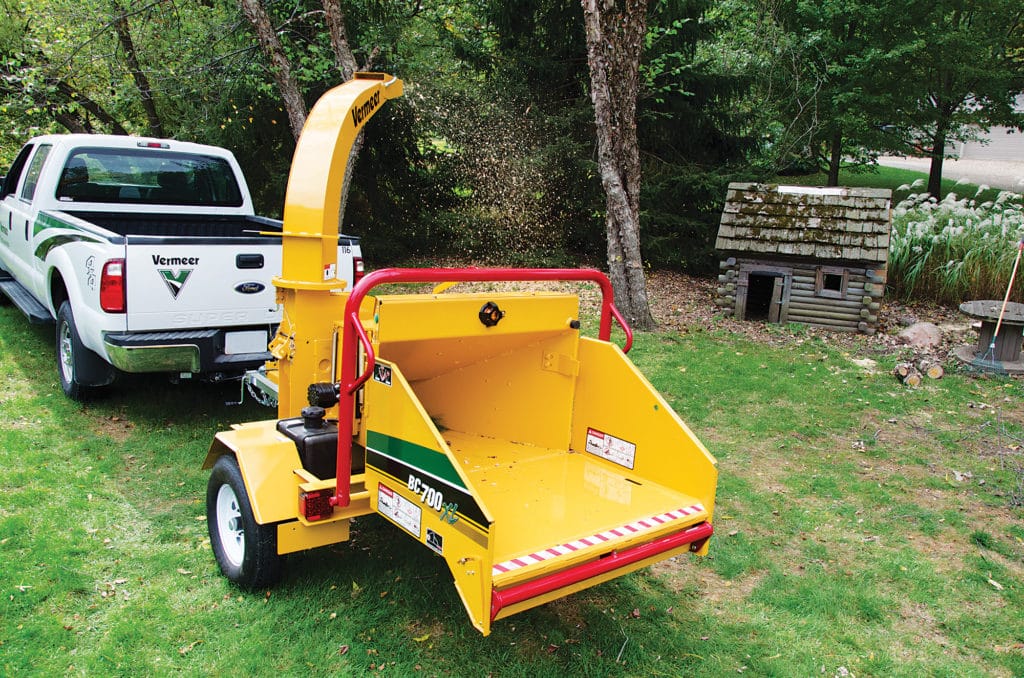
Gas wood chippers, on the other hand, deliver significantly more power and versatility. They’re built for tougher jobs—handling thicker branches, larger volumes of waste, and extended run times without pause. Landscapers, rural property owners, and anyone managing frequent or large-scale yard cleanup will appreciate the muscle and durability these machines offer. With that power comes more responsibility, though. Gas chippers are louder, require regular maintenance, and emit exhaust, which can be a concern in residential areas or for eco-conscious users.
The decision between electric and gas depends largely on how often and where you plan to chip. For light cleanup and ease of use, electric models shine. For demanding work and larger properties, gas machines provide the strength and independence needed. Both have their place in yard care, and the right choice ensures you get the most out of your investment without unnecessary hassle.