
Choosing the Right Bucket for Efficient Construction Projects
Concrete bucket use has transformed the way fresh concrete is moved and poured across busy construction sites. Instead of battling with imprecise methods that risk waste and inconsistency, workers now rely on these specialized containers to deliver material exactly where it is needed. Designed for safety and efficiency, they attach easily to cranes or overhead systems, making even large-scale jobs feel more manageable. Their presence on a site often means fewer delays, smoother coordination between teams, and a level of accuracy that directly supports the strength of the finished structure.
Every construction project demands attention to detail, and the choice of tools plays a major part in achieving high standards. A bucket may look simple from the outside, but its design is far from basic. Engineers carefully craft these containers to handle the weight and flow of wet concrete, ensuring even distribution during pours. Some are built with specific mechanisms for controlled release, while others are shaped to fit tighter spaces or accommodate different volumes. The goal is always the same, to give crews better control over placement and reduce the margin of error that can happen with traditional pouring methods.
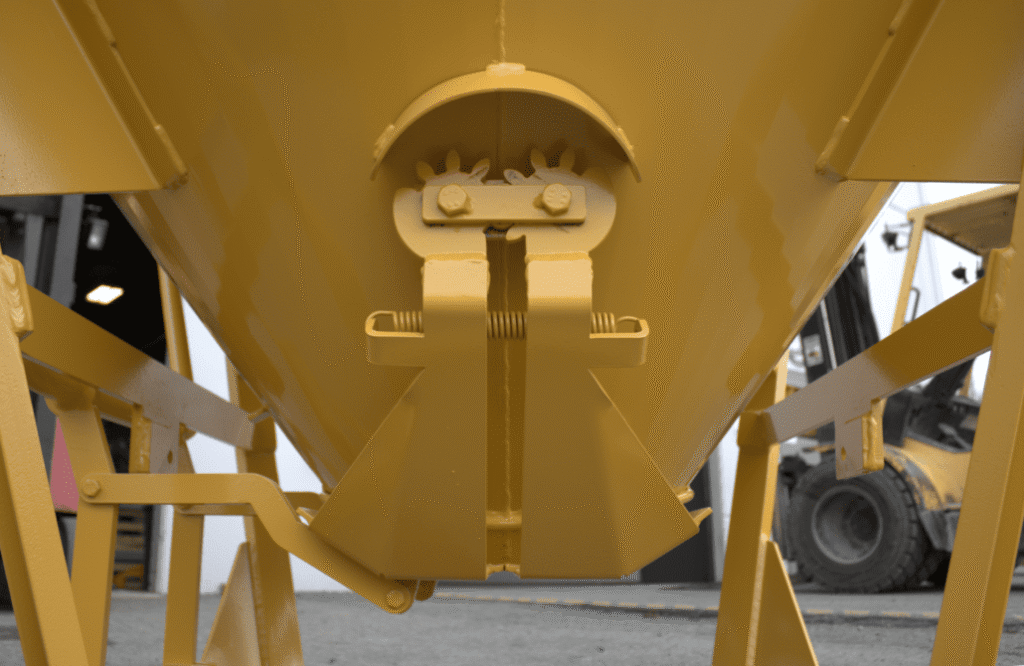
What sets these buckets apart from other equipment is their ability to balance power with precision. Fresh concrete is heavy, it demands stability when being lifted, yet it also requires delicacy when placed into formwork. The wrong pour can weaken a structure or create costly setbacks, so having the right bucket is more than just a matter of convenience. It becomes a matter of trust in the finished result. Construction teams often see the difference immediately, smoother surfaces, cleaner lines, and a reduced need for rework are all benefits tied directly to this tool.
The efficiency gained from using well-designed buckets also reaches beyond quality. Time saved during the pouring process allows crews to focus on other critical stages of a project, which can shorten schedules and lower overall costs. Imagine the difference between a slow, uneven pour and one that flows seamlessly from start to finish. That level of performance helps keep momentum on site and reduces fatigue for workers, especially during demanding jobs. It is one of those behind-the-scenes advantages that may not be noticed right away but becomes clear once deadlines are met more easily.
In the end, the value of a concrete bucket lies in its ability to combine safety, precision, and efficiency in one reliable piece of equipment. Whether a project involves towering structures or smaller industrial builds, these containers prove their worth by making the entire process smoother and more dependable. For teams aiming to maximize productivity and deliver lasting quality, the right bucket is not just a tool, it is an essential partner in construction.