
Finding the Right Solution to Breathe Easier and Sleep Better
Sleep apnea is more than just restless nights and loud snoring—it’s a condition that can seriously affect health and well-being if left untreated. Those who live with it often experience repeated pauses in breathing during sleep, leading to fatigue, poor concentration, and increased risk for heart problems and other serious conditions. The good news is that sleep apnea treatment options have come a long way, offering different approaches to fit individual needs and lifestyles. Exploring these options is the first step toward reclaiming restful nights and energized days.
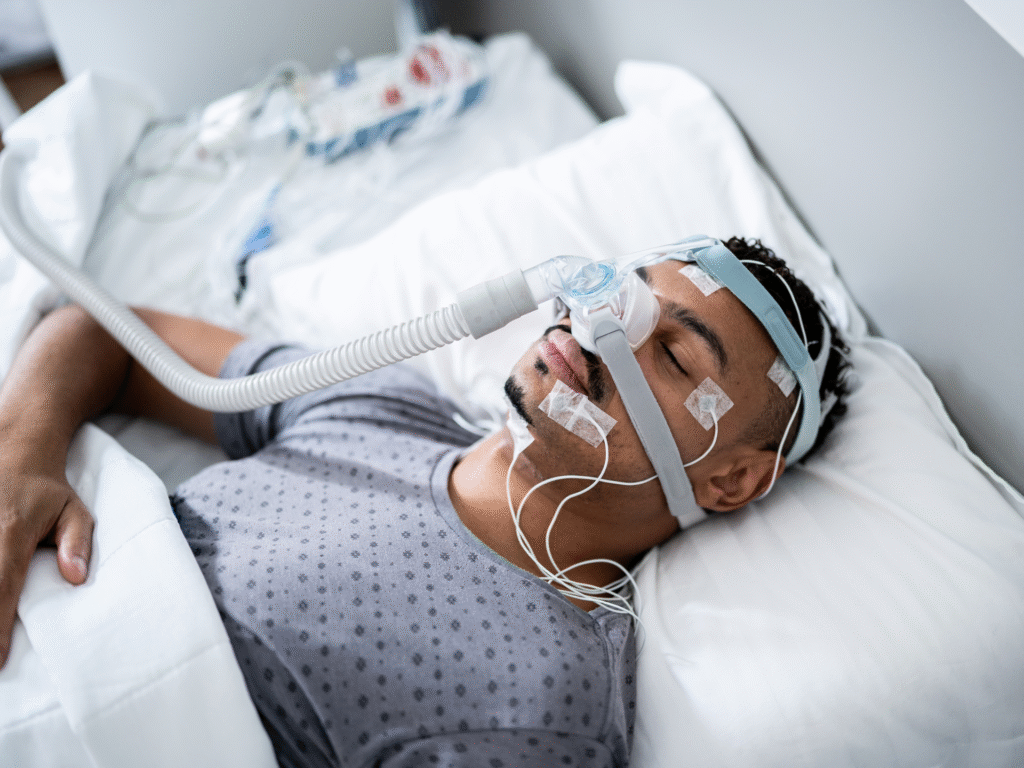
One of the most well-known treatments for sleep apnea is the continuous positive airway pressure (CPAP) machine. This device delivers a steady flow of air through a mask, keeping the airway open throughout the night. While some find it takes time to get used to, CPAP therapy is highly effective and remains the gold standard for managing moderate to severe cases. Advances in design have made these machines smaller, quieter, and more comfortable, making them easier to integrate into daily life.
For those with milder forms of sleep apnea or those unable to tolerate CPAP, oral appliances are another effective option. These devices, often fitted by dental professionals, work by gently repositioning the jaw to keep the airway from collapsing during sleep. They are compact, discreet, and convenient for travel, offering an alternative that combines comfort with effectiveness. Many patients find that oral appliances give them the relief they need without the bulk of a machine, making them an appealing choice.
Lifestyle changes can also play a major role in treatment. Weight management, exercise, reducing alcohol intake, and avoiding sedatives before bed can all lessen the severity of sleep apnea symptoms. In some cases, simply adjusting sleeping positions can make a difference, as lying on the back often makes airway blockages worse. While these changes may not completely resolve the condition, they work well when combined with other treatments, reinforcing overall effectiveness.
Surgical options may be recommended in cases where physical issues, such as enlarged tonsils or structural abnormalities, contribute to blocked airways. Procedures range from removing excess tissue to more advanced interventions that permanently reshape the airway. Though surgery is generally considered when other treatments aren’t successful, it has provided long-term relief for many patients dealing with chronic sleep apnea.
Finding the right treatment is about more than stopping snoring—it’s about restoring health and quality of life. Each option, whether medical, dental, or lifestyle-based, offers its own benefits, and consulting with a healthcare professional ensures the right fit. With proper treatment, sleep apnea doesn’t have to define nightly rest. Instead, it becomes a manageable condition, allowing individuals to breathe easier, sleep soundly, and wake up ready to take on the day.